
Essential Vacuum Maintenance Tips for Peak Performance
Regular maintenance extends equipment lifespan and ensures optimal cleaning performance. Discover the key maintenance practices that keep your vacuum systems running smoothly.
Expert insights and practical tips for maintaining your vacuum systems and keeping your home clean
Learn from experts about proper equipment care, maintenance schedules, and maximizing your vacuum investment
Regular maintenance extends equipment lifespan and ensures optimal cleaning performance. Discover the key maintenance practices that keep your vacuum systems running smoothly.

Installing a central vacuum system requires proper planning and execution. Learn about the critical factors that ensure successful installation and long-term reliability.
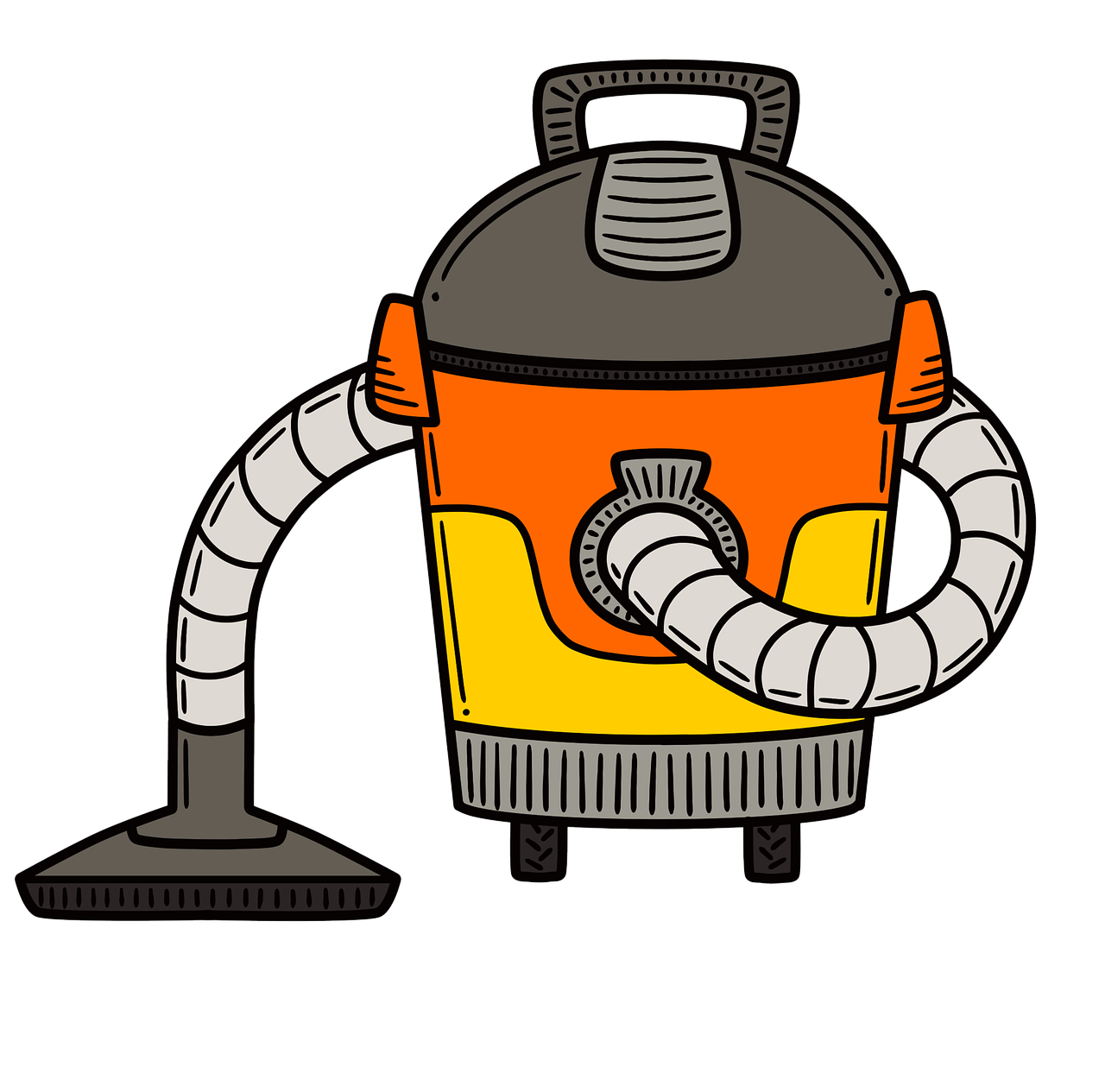
From motors to hoses and inlet valves, each component plays a vital role in system performance. Understand what makes quality parts worth the investment.

Modern vacuum systems do more than clean—they contribute to overall home health by removing allergens and dust. Explore the health benefits of quality vacuum equipment.
As Cleaning & Maintenance Management Magazine explains, proper vacuum maintenance is essential for any home or business. Regular filter changes and hose inspections are critical maintenance tasks that keep your system operating at peak efficiency.
A well-maintained vacuum system doesn't just clean better—it lasts longer. When you invest in quality equipment, proper care ensures your investment continues delivering results for years to come.
According to central vacuum installation best practices, placing the power unit on the lowest floor of your home maximizes suction efficiency and ensures dust particles travel properly to the collection receptacle. This fundamental principle makes a significant difference in system performance.
Professional installation following these standards ensures your system operates efficiently from day one. Proper placement, piping design, and inlet valve installation all contribute to long-term reliability.
Filter maintenance is one of the most overlooked aspects of vacuum care. Clogged filters reduce suction power and strain the motor. Regular filter inspection and replacement according to manufacturer recommendations keeps your system running smoothly and efficiently.
Addressing these issues promptly prevents more expensive repairs and maintains your system's longevity.
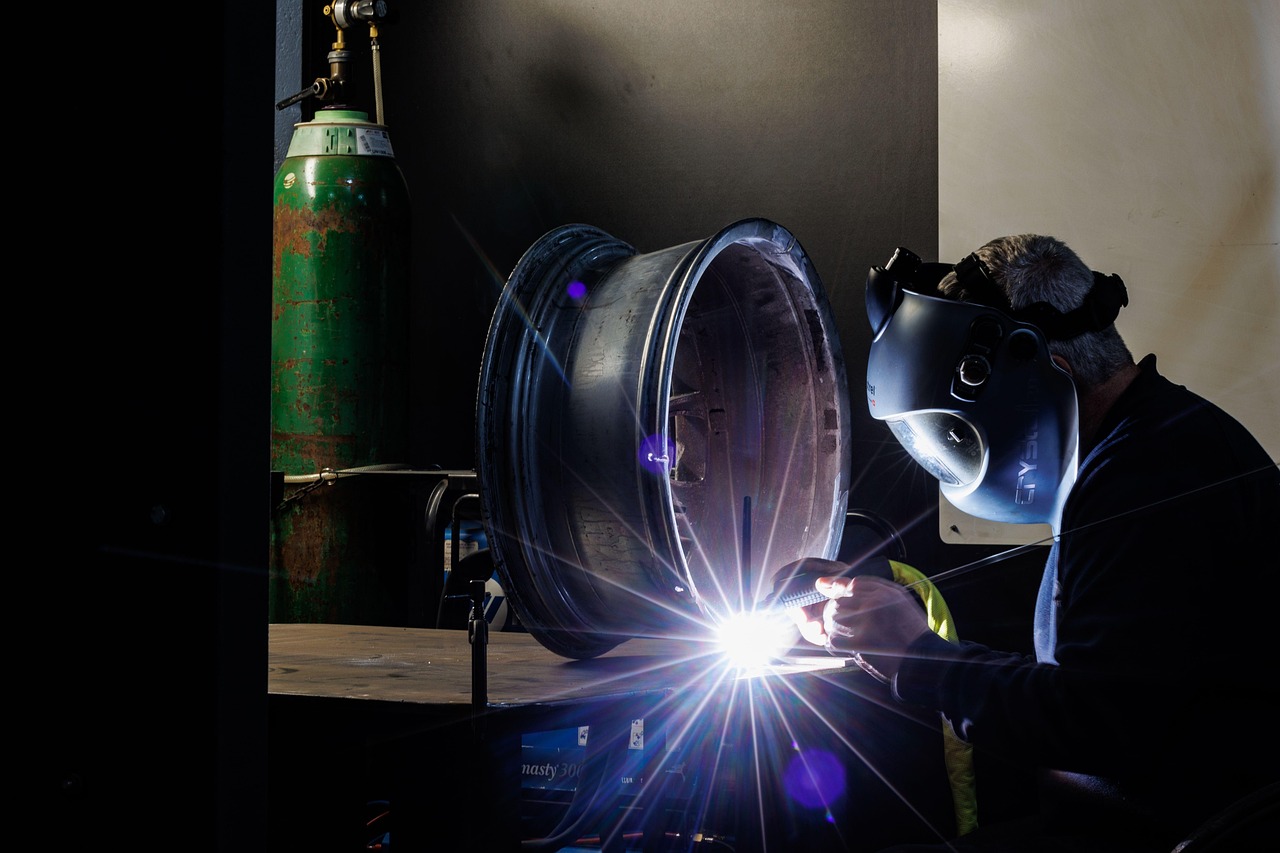
Learn the best practices that professionals use to keep vacuum systems operating at their best
Your vacuum hoses are critical components that experience regular wear. Inspect them monthly for cracks, kinks, or blockages that reduce efficiency. Clean hoses regularly to prevent buildup that slows performance.
Wall inlet valves should open and close smoothly. If you notice sticking or resistance, this indicates buildup that needs professional cleaning. Regular valve maintenance ensures proper suction throughout your entire system.
The motor is the heart of your central vacuum system. Keep the power unit area clean and free from obstructions to allow proper ventilation. Ensure the collection receptacle is emptied regularly—a full bag significantly reduces suction efficiency.
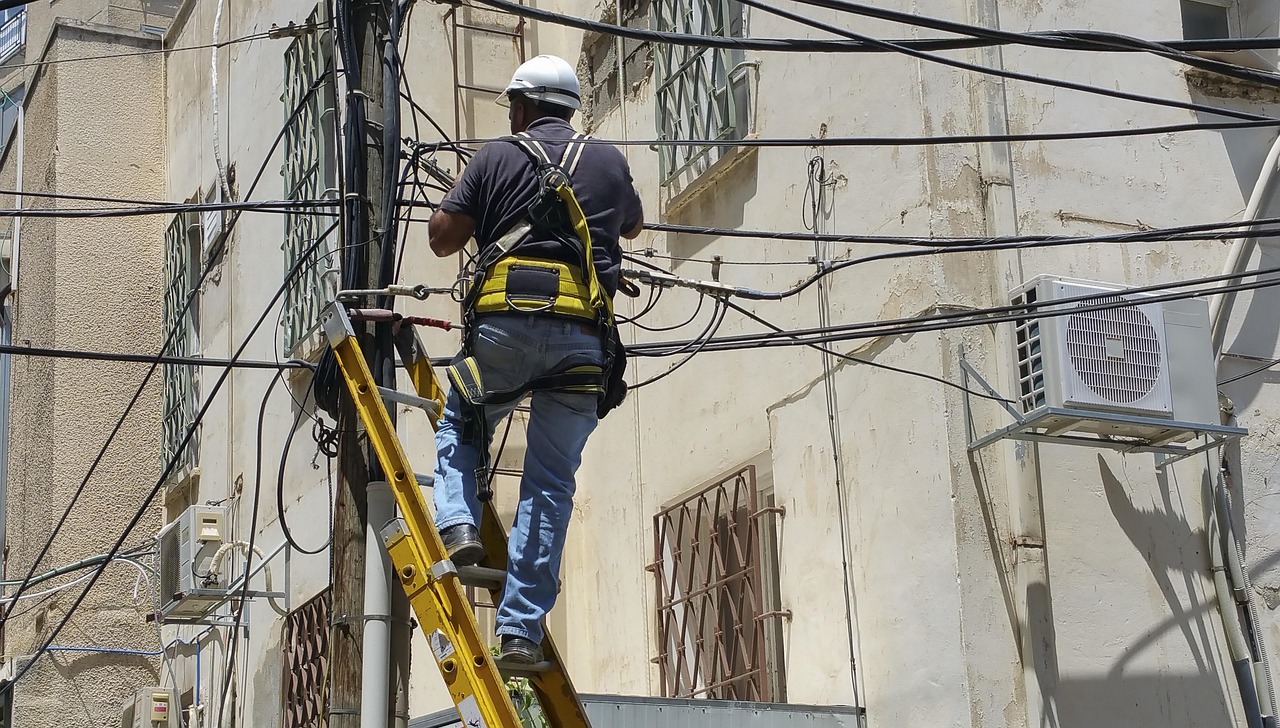
Quality equipment deserves quality maintenance—follow these expert guidelines for lasting performance
Regular professional maintenance catches issues before they become expensive repairs. Annual inspections ensure your system continues operating at peak efficiency and reliability.
Properly maintained central vacuum systems can last 15-20 years or more. Investing in regular care protects your equipment investment and ensures reliable performance throughout your home.
A well-functioning vacuum system removes allergens, dust, and contaminants from your living environment. Quality equipment and proper maintenance contribute to a healthier home for your entire family.
Our expert team is ready to help with installation, maintenance, and repair services for all central vacuum systems
Get in Touch