Common Mistakes
Every contractor has seen the same failures appear again and again on jobs that went wrong early: a roof leak at a flashing that was sealed the wrong way, siding fastened too tight so water couldn't breathe out, deck boards installed without enough spacing so they buckled when wet. The pattern is clear. The mistakes that cause the most expensive repairs later aren't usually about big decisions — they're about details that seemed minor at the time.
Knowing what to watch for gives you the language to ask the right questions when you're choosing a contractor, and the confidence to say no when someone's approach doesn't add up.
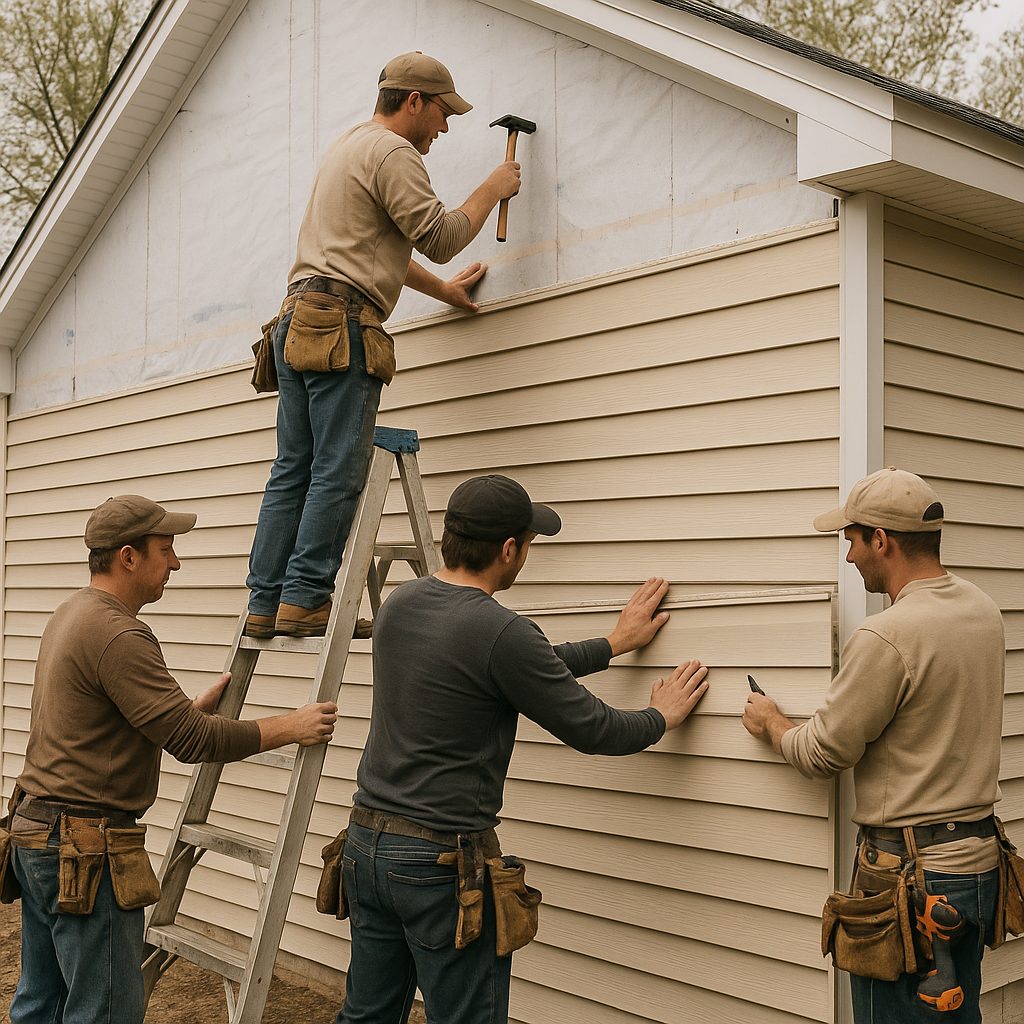
What a Bad Install Costs Years Later
A roofing job that was installed wrong might cost $8,000 to fix at year 10, when the underlying damage compounds. A siding installation with fasteners driven too tight might need $12,000 in rot remediation at year 8. Deck boards installed without proper spacing might require a complete replacement at $15,000 when the frame rots from moisture trapped underneath.
The upfront cost of doing it right is almost always cheaper than the cost of repair. A contractor who understands this spends extra time on details that save thousands later.
Four Questions for Any Contractor You Hire
-
How will you handle ventilation and moisture barriers?
Ask a specific example. Don't accept general answers. A contractor who explains the ventilation path, the membrane placement and the fastener pattern knows the job. One who glosses over it doesn't.
-
Can you show me examples of your past work?
Ask for references where you can see the actual installation in person. Flashing placement and fastener patterns are visible on finished work. If a contractor won't let you inspect what they've built, that's a red flag.
-
What's included in your warranty and what isn't?
A real warranty covers workmanship for 10 years minimum. It should specify what's covered — usually materials and labor — and what isn't, usually storm damage or maintenance issues. If the warranty is vague, ask for specifics in writing.
-
Will you provide a final inspection and documentation?
You should get photos of the finished work, a copy of the warranty, and a walkthrough where the contractor points out maintenance needs and proper care. This is your record for the life of the project.
Where Installs Go Wrong: Fasteners, Underlayment, Caulk
Fastener Placement
Shingles fastened too high or too low don't perform correctly under wind and temperature changes. Siding fasteners driven too tight restrict the material's ability to breathe and move. The correct fastener placement is spelled out in the manufacturer's spec sheet. If your contractor isn't following it, they're gambling with durability.
Underlayment and Moisture Barriers
This is where most failures start. Underlayment that's wrinkled, torn or installed backward won't shed water correctly. Vapor barriers placed on the wrong side of an assembly trap moisture inside the wall. These details are invisible once the job is done, which is exactly why you need a contractor who gets them right. Ask to see photos during installation, not after.
Sealing and Caulking
Caulk is for joints that need to stay open and flex. Nailing flashing through caulk is a mistake — flashing should be fastened mechanically and sealed at specific points. Caulking every seam is another common error that prevents proper drainage. The right approach depends on the application, and it's worth verifying before the crew starts.
Common Signs to Watch For
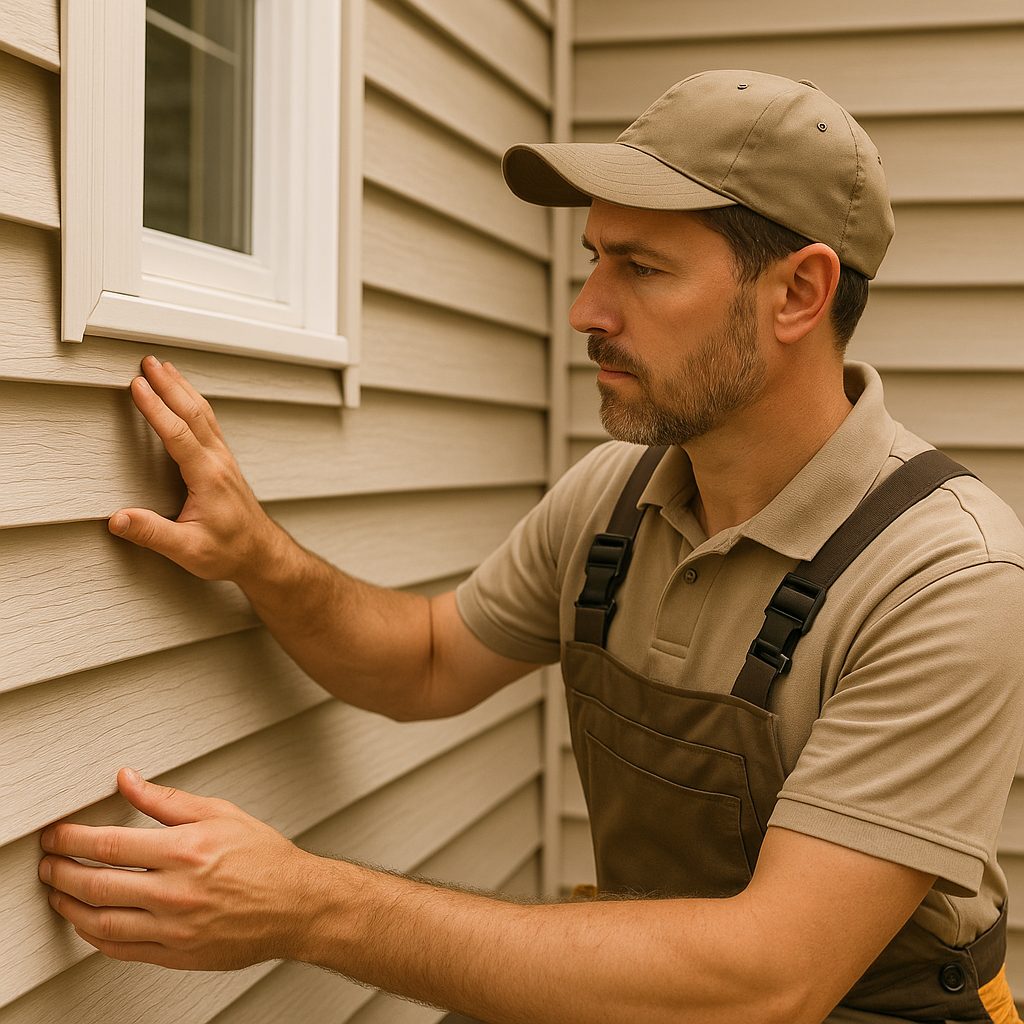
During the work, watch for a few key indicators that signal whether this crew understands what they're doing. Materials should be staged carefully and protected from the weather. The site should stay clean, with waste properly removed. Flashing should be installed before any shingles or siding go over it.
After the work is done, do a final walkthrough. Inspect the roof or siding at a glance — are the courses straight? Are fasteners placed consistently? Walk around transitions — is the flashing sealed? Check the attic or crawl space if you can — is the ventilation clear? These visible signs tell you whether the invisible work was done right.