Safety on the Roof

Roof work is inherently risky. The combination of height, sloped surfaces, weather exposure, and the need to work quickly creates a hazardous environment. Professional crews understand that safety isn't something you add after planning—it's woven into every decision, from site setup through final cleanup. Whether you're inspecting your roof, planning repairs, or hiring contractors, understanding basic safety principles protects everyone involved. This guide covers the essential procedures that separate safe roof work from dangerous shortcuts. Following these guidelines dramatically reduces injury risk and ensures that the work you invest in is completed by people who go home safely at the end of the day.

How to Use It

  1. Site Assessment & Planning

    Professional crews inspect weather forecasts, check equipment condition, establish fall protection zones, and brief the team on the specific hazards of this roof. Never work in high winds, rain, or ice. Secure loose materials and tools so nothing becomes airborne.

  2. Fall Protection Systems

    All personnel working above 6 feet must wear OSHA-compliant harnesses, lanyards rated for the weight and impact, and anchor points engineered to handle arrest forces. Roof brackets, guard rails, and safety nets provide redundant protection layers.

  3. Constant Awareness

    Crews maintain communication throughout the workday—verbal checks, hand signals, and designated spotters watching for hazards. One person never works alone on a roof. Fatigue and complacency kill; constant vigilance saves lives.

  4. Rescue Plans & First Aid

    Before starting, identify the fastest route to ground and the nearest hospital. First aid kits and training are on-site. Every crew member knows the protocol for immediate response if someone falls or suffers injury.

The Key Figures

Fall Distance

A fall from just 6 feet can cause fatal injury. This is why every foot of height demands serious fall protection. There is no "experience" that makes working unprotected at height safe.

Impact Force

Lanyards are engineered to stop a falling person within 3-6 feet, generating enormous deceleration forces. Harness, lanyard, and anchor must be rated for 5,000+ pounds to survive an arrest without injury.

Weather Limits

Wind speeds above 30 mph, rain, ice, or snow create conditions where even protected workers face unacceptable risk. Professional crews halt work immediately when conditions exceed safety limits.

Inspection Intervals

All fall protection equipment—harnesses, lanyards, carabiners, roof brackets—must be inspected before each use and professionally certified annually. Damaged equipment is replaced immediately, never repaired.

Training Requirement

Every crew member must complete OSHA 10-hour or 30-hour safety certification covering fall protection, hazard recognition, and emergency response. Certification is renewed every few years.

Rescue Capability

Teams practice rescue procedures so they can execute them automatically if needed. Knowing how to safely lower and retrieve an injured worker from height is not optional—it's mandatory training.

Worth knowing

Falls are the leading cause of injury on a roofing job site, which is why reputable crews train against the safety materials and toolbox talks published by the National Roofing Contractors Association.

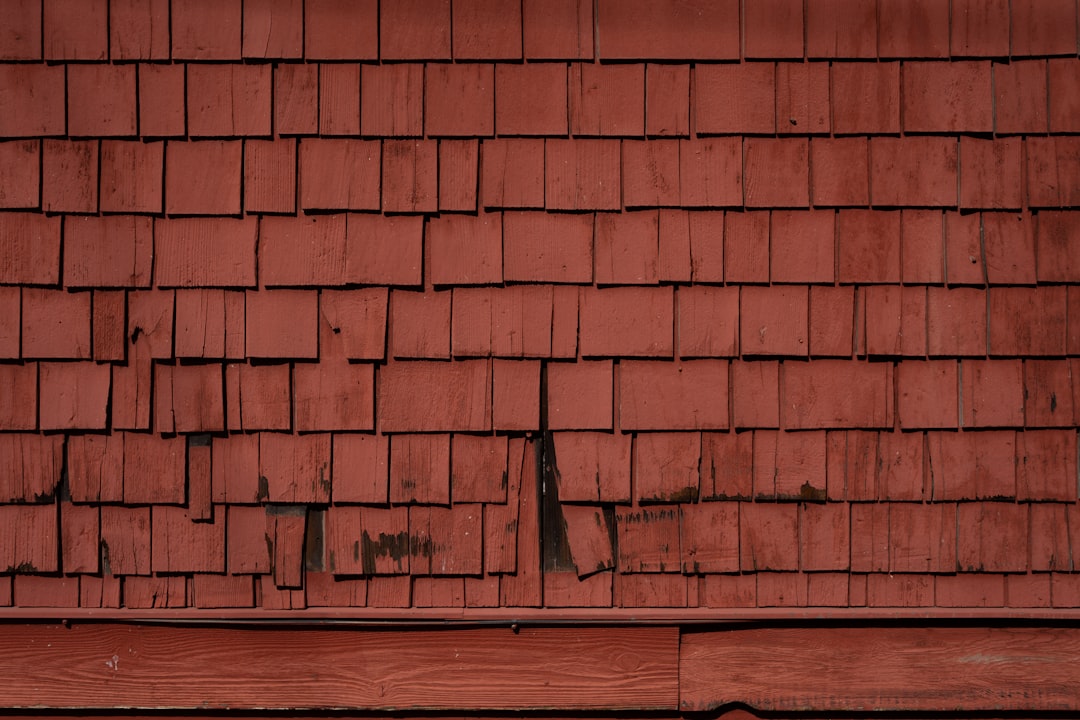
Roof showing water damage and deterioration requiring professional repair
Water damage like this is how amateurs identify roof problems—often too late. Professional inspectors catch issues early, during the dry season, before weather damage compounds. This photo shows the deteriorated condition that results from delayed action, which is why regular inspections and prompt professional attention matter. A leak this advanced is weeks or months into the damage cycle.

The Detail: Understanding Risk

Most roof accidents happen not to inexperienced workers making obvious mistakes, but to experienced workers taking calculated risks. An expert roofer who's installed 10,000 shingles without incident develops confidence—sometimes overconfidence. They skip the harness because they've never fallen. They work in marginal weather because they've worked in worse. They rush a project because they know they can work fast. That confidence, without structured safety protocols, is precisely when injury occurs. Professional teams counteract this by maintaining discipline about procedures that feel unnecessary. Harnesses are worn every time, not when the risk looks high. Equipment is checked by someone other than the person using it. Weather limits are never violated, even when a deadline is tight. This discipline isn't bureaucracy; it's the barrier between a safe work site and a tragedy. When you hire contractors for roof work, ask specifically about their safety record, their training certifications, and their procedures. The crews that talk safety first are the ones you want on your roof.
When to Call a Professional

If you can see your roof from the ground and spot missing shingles, leaks, or damaged flashing, the first step is to hire a professional inspector. Don't climb up yourself—the risk of injury far outweighs any cost savings. A qualified contractor can safely evaluate the damage, explain your options, and provide a detailed estimate. If you're tempted to do the work yourself, consider the costs realistically: fall protection equipment, ladders rated for height work, roofing materials, and the time required. Against those costs, add the liability if you're injured and unable to work, plus the liability if your DIY repair fails and water damage spreads inside your home. The math strongly favors hiring professionals who carry insurance and bring years of experience to roof work.

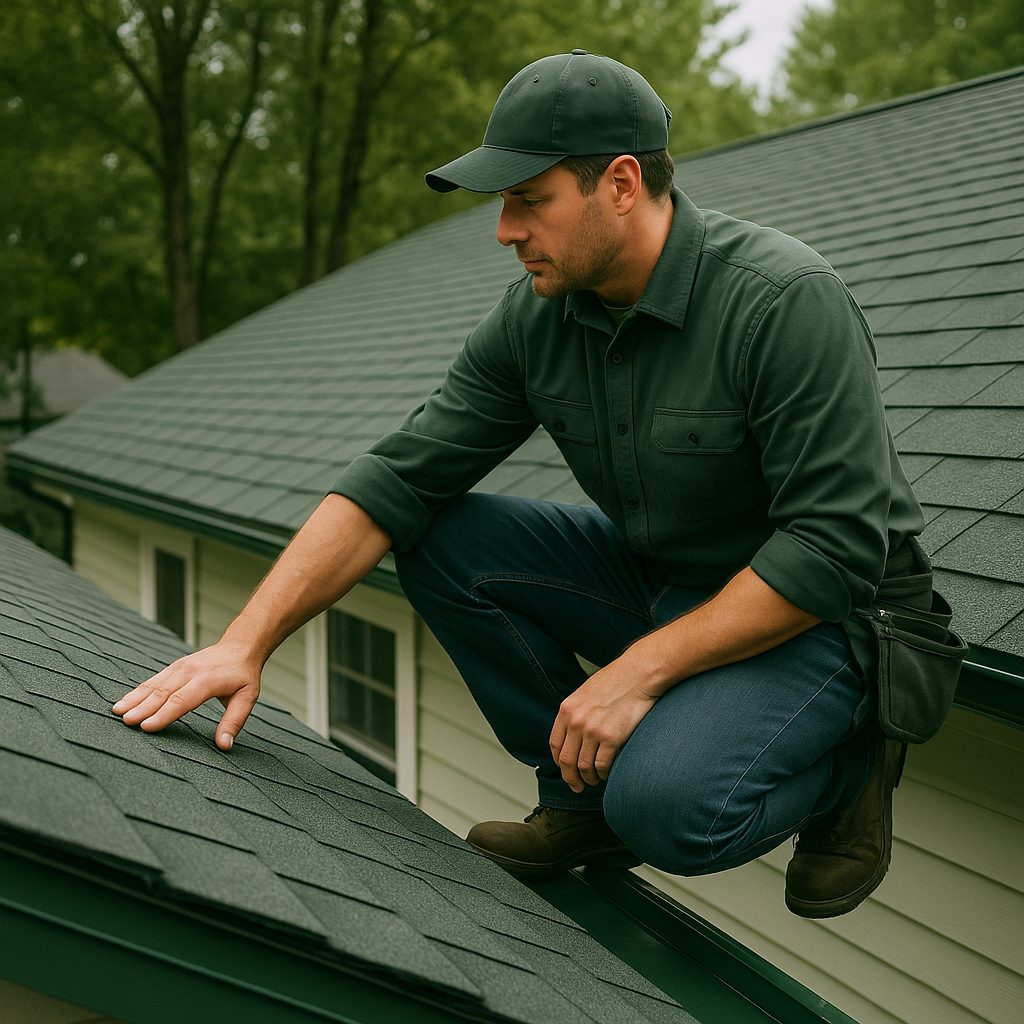
Professional roofing contractor assessing residential roof installation work with expert attention to detail
Professional assessment includes evaluation of not just the visible damage but also underlying structural conditions, flashing integrity, and ventilation adequacy. This comprehensive view is how professionals prevent repeat problems and ensure work lasts decades.