Lessons Learned from Years of Home Services Work
Over the years of observing how quality contractors approach their work, certain patterns emerge—the choices that separate a five-year roof from a twenty-five-year roof, the difference between an emergency patch and a real fix. We've come to see home services not as a commodity, but as a craft that rewards precision and foresight. When a crew takes time to understand what the original builders intended and what the weather has taught the structure, the work holds.
The best contractors don't cut corners because they understand that shortcuts cost homeowners far more in the long run.
We call this "consequential thinking"—approaching each job as if you'll be the one maintaining it for the next decade. That mindset changes decisions at every stage, from material selection to the order of operations to how fasteners are sealed. These lessons are what we look for when we recommend contractors to friends and neighbors.
The Detail That Saves Thousands
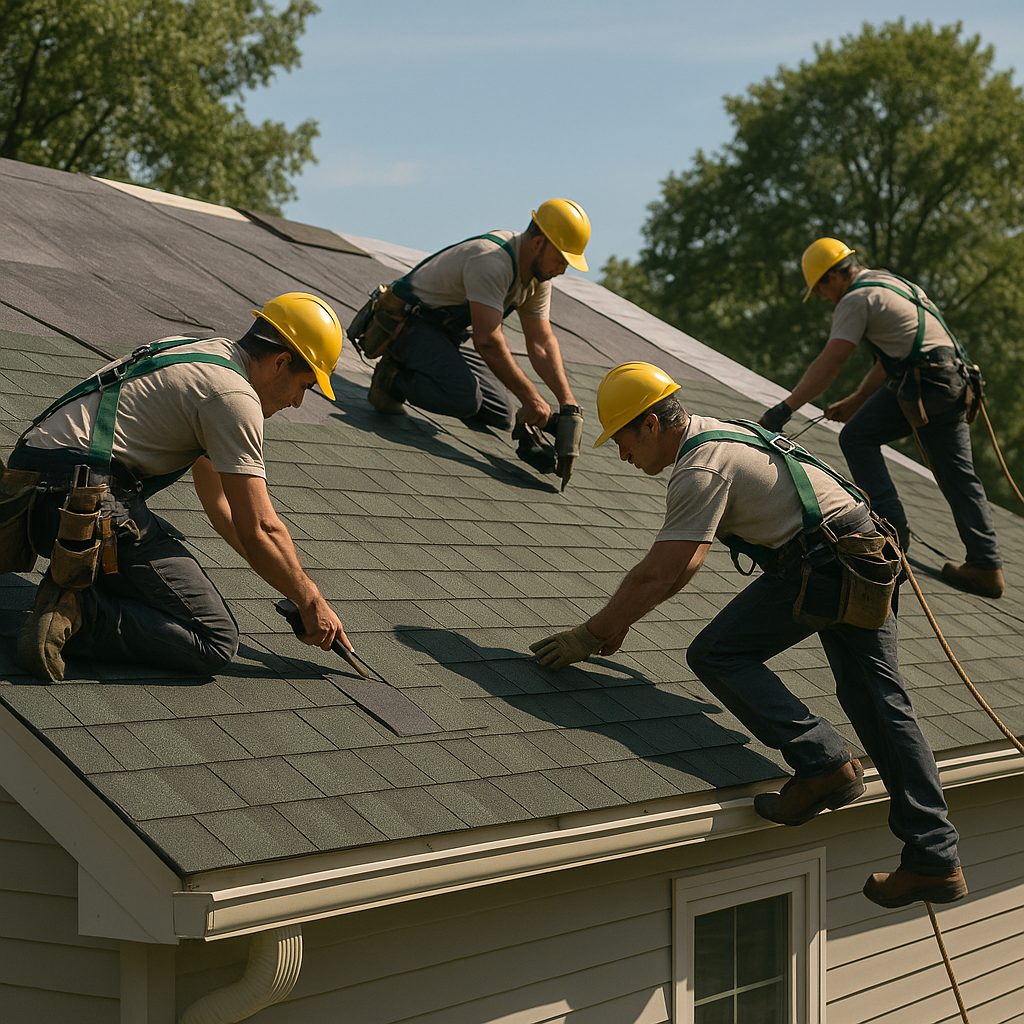
The difference between a competent crew and an excellent one often lies in decisions invisible from the street. Proper deck board spacing accounts for wood movement; roof ventilation prevents moisture damage; flashing details shed water that would otherwise find its way inside. These details matter because they address the physical laws at work on every home—gravity, water infiltration, thermal expansion, and wind pressure. A contractor who understands these forces builds differently than one who follows a checklist.
Red Flags Across Different Services
| Service Type | Warning Sign | What It Means |
|---|---|---|
| Roofing | No discussion of ventilation or underlayment | The crew may be focused on covering the visible surface without addressing the systems beneath |
| Siding | Improper spacing or fastening schedule mentioned casually | Material movement and thermal expansion will cause premature failure or leaks |
| Windows | Frames sealed with caulk alone, no head flashing | Water will eventually work into the opening and compromise the structure |
| Decks | Inadequate drainage or no mention of wood movement | Rotting and structural failure become inevitable within a few seasons |
| These aren't absolute rules—context matters—but they're consistent indicators that a contractor may not be thinking about the long-term performance of the work. | ||
How to Think About Long-Term Performance
Initial Performance
Quality materials and precise installation create the foundation. Work should be clean, fasteners should be properly set, and details should be sealed correctly. Weather conditions during installation can affect how well materials set, but proper technique compensates for this.
Real-World Testing
Thermal cycles, moisture infiltration, wind loads, and foot traffic reveal installation problems. A crew that built with long-term performance in mind will have anticipated these stresses. Poor choices now become obvious—caulk that fails, fasteners that back out, or water damage that appears in unexpected places.
Durability Verification
The work proves itself or fails. Materials reach their design life or fail prematurely. Maintenance becomes possible or becomes constant emergency patching. The investment in doing it right separates itself from the investment in doing it quickly during this window.
The Numbers That Matter
Warranty Length
Quality contractors offer 10–25 year warranties on their work because they've seen it last. A shorter warranty may indicate either less confidence or less experience with long-term performance.
Material Grade
The difference between mid-grade and premium materials can be 15–25%, but the life extension is often 50%+ years. A contractor willing to discuss materials in detail and recommend based on your home's exposure is thinking long-term.
Detail Cost
Proper flashing, ventilation, and drainage add 5–12% to a project cost but prevent 80%+ of later failures. When a contractor itemizes these details, they're accounting for the physical realities of your climate and your building.
Crew Consistency
Contractors who keep the same crew year after year typically perform better because the team understands the owner's standards and learns from each project. High turnover often correlates with inconsistent quality.
What We Look For When We Recommend
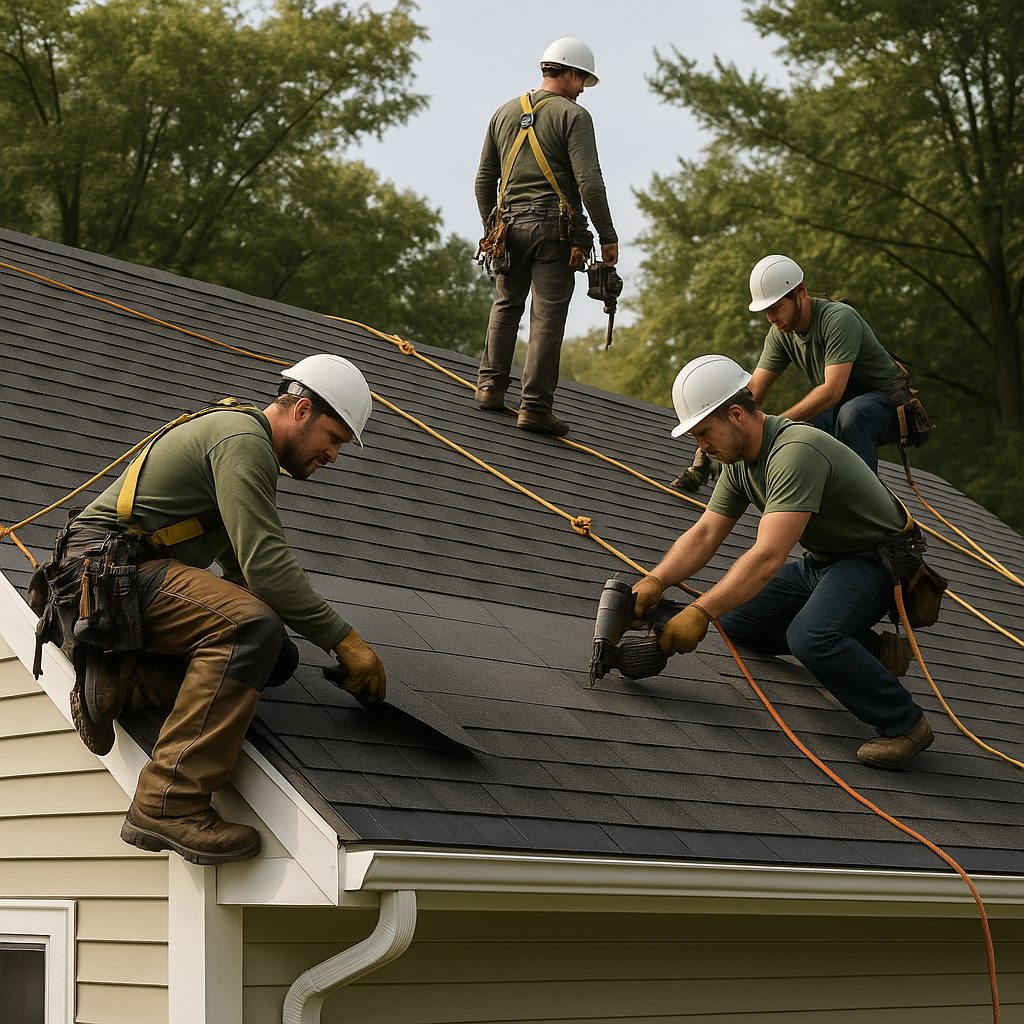
When we think about which contractors we trust enough to send friends and neighbors to, we're looking for people who ask the right questions before they estimate, who can explain the tradeoffs between materials and approaches, and who understand that their work is part of your home's long-term shelter. That's not the same as the lowest bid or the fastest timeline—it's someone who takes the time to get the details right. If you're ready to talk about what quality looks like for your specific project, reach out. We've learned from years of observation what questions to ask and what answers to listen for.