CertainTeed
One of the largest North American manufacturers of roofing and siding materials; its Credentialed Contractor program is the credential worth asking about when comparing bids.
The material choices that go into a roof, siding installation, or window replacement determine how long the work will last and how well it will perform under local weather conditions. A homeowner choosing between contractors should understand what material grades are available, how they differ, and which ones your climate and budget actually support. Three decades of watching these projects perform in New England has taught us that the cheapest option rarely proves economical over time.
Material quality, compatibility, and installation technique work together—premium materials installed poorly fail as predictably as budget materials installed correctly. When a contractor discusses materials by brand, grade, and warranty, they're demonstrating that they understand this relationship. The information below covers the material decisions that matter most across the services home contractors provide.
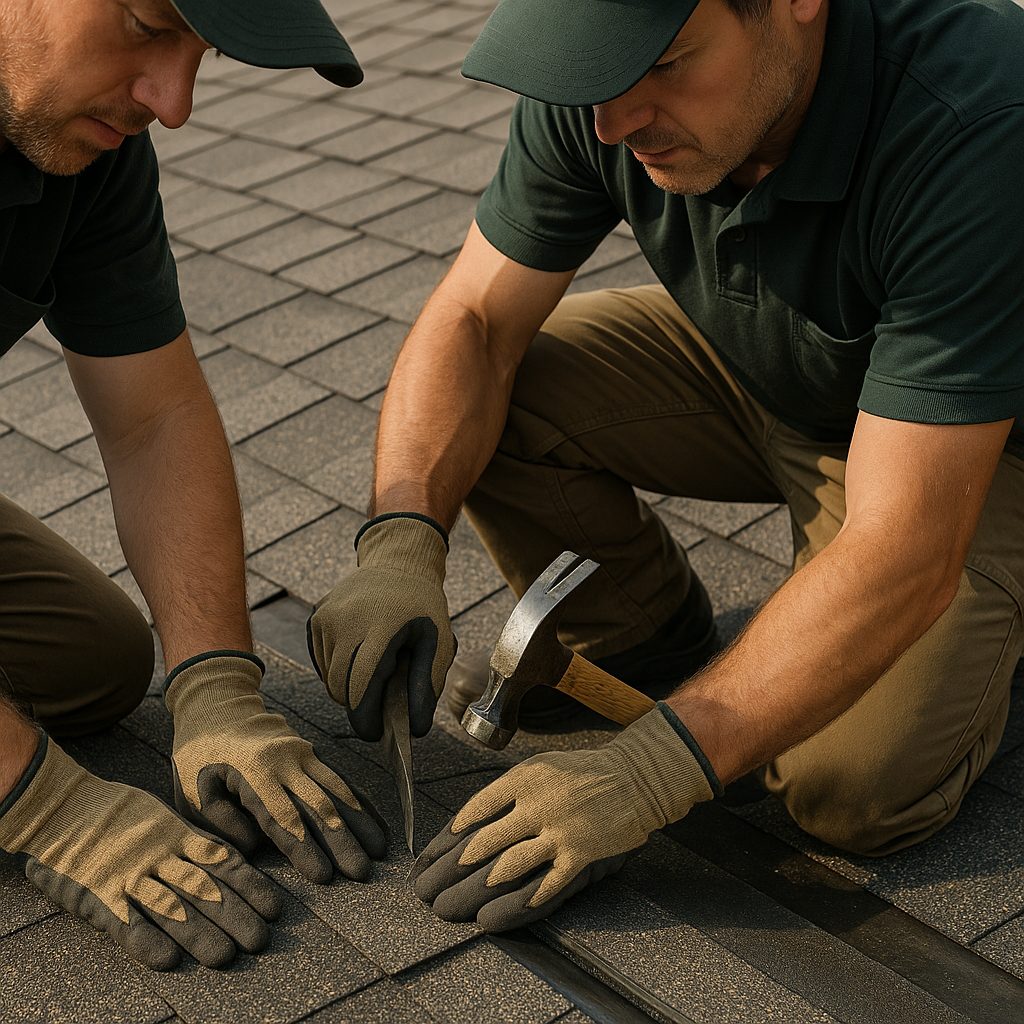
When a contractor provides specifications, look for brand names, warranty coverage (material warranty vs. labor warranty—they differ), and performance ratings. A specification that reads "asphalt shingles, 20–30 year grade" is less informative than "GAF Timberline HD, 30-year warranty, 110 mph wind rating." The level of detail indicates whether the contractor is thinking about your specific conditions or selecting from a generic cost tier.
Premium materials and inferior materials often look identical at installation. Weather cycles, thermal stress, and UV exposure begin revealing quality differences. Fastener corrosion, sealant degradation, and material edge deterioration appear first in budget materials.
Premium materials maintain color, resist impact damage, and preserve flexibility. Budget materials fade, become brittle, and lose elasticity. This is when you'll see curling shingles, cracked vinyl, or failing deck stain. A contractor recommending premium materials for 10+ year service is accounting for this window.
Warranties expire. Budget materials at this point typically show significant wear and require replacement. Premium materials, if installed correctly, often have another 5–15 years remaining life. The cost difference at installation becomes negligible when amortized across actual service years.
One of the largest North American manufacturers of roofing and siding materials; its Credentialed Contractor program is the credential worth asking about when comparing bids.
Formerly the Vinyl Siding Institute—maintains the Certified Installer Program and the installation standards siding materials are measured against.
The material conversation with your contractor should include what warranty applies, how the material performs in your climate, what maintenance it requires, and why this particular grade makes sense for your project budget. A contractor who can defend their material recommendation with climate data, warranty details, and maintenance expectations is thinking about what will actually serve you best. Material choices aren't just about today's price—they're about whether you'll be looking at replacement again in five years or will get real service for twenty.