Difficulty Guide
Every exterior project sits somewhere on a spectrum. A small gutter repair is a Saturday afternoon for a confident homeowner. A full roof replacement is not. The key is honest assessment: understanding the actual skill required, the equipment costs, the time investment, and most importantly, what happens if something goes wrong.
This guide walks you through deciding whether to hire a professional or take on the work yourself. It starts with a hard truth: most homeowners overestimate their ability and underestimate the complexity of exterior work. Roofs and siding that fail prematurely almost always trace back to installation errors—not materials. When water starts appearing months after work closes up, the cheapest fix becomes a $15,000 structural repair that started as a $2,000 installation mistake.
The difference between a project that lasts and one that fails is precision work you can't see once the paint dries.
This guide gives you the framework to make that call with clear eyes.
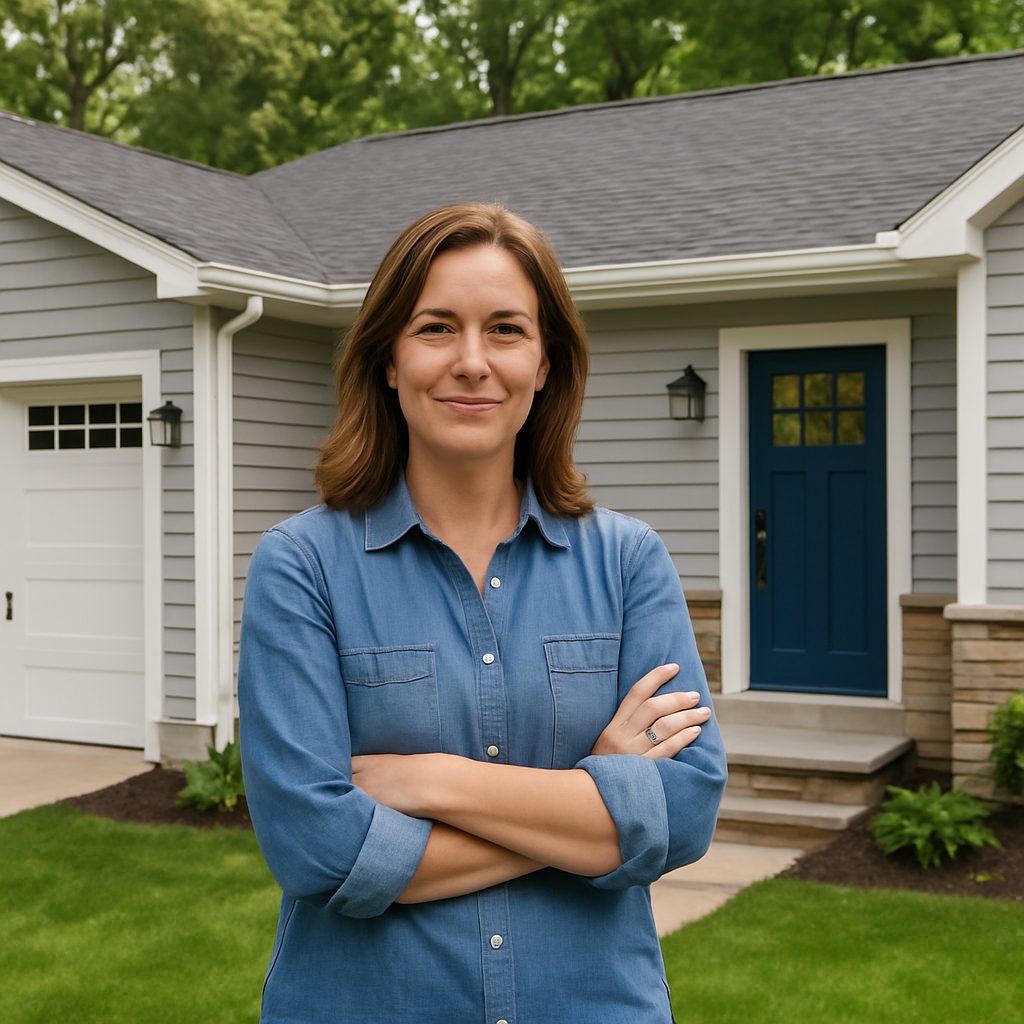
Sizing up the damage and the tools
Start by assessing what you're actually looking at. A shingle with curled edges might be cosmetic; water stains on the ceiling definitely aren't. A section of siding with peeling paint is manageable; siding that's soft or pulling away from the frame means the substrate is compromised, and that work extends beyond surface installation. The rule is simple: if you find damage worse than you expected, the complexity has jumped.
Next, consider equipment requirements. A gutter cleaning needs a ladder and a hand. A roof inspection needs a roof harness, which most homeowners don't own and shouldn't operate without training. A siding project needs a level, chalk line, and pneumatic tools, which cost $200–400 to rent for a weekend. Many projects that seem feasible become impractical once you price the tool rental and material waste from learning-curve mistakes.
Four tiers of exterior work, priced
-
Small repairs and maintenance
Gutter cleaning, missing-shingle repair, and fascia touch-ups run $150–500 professional, $30–200 DIY. Time investment is 2–6 hours. Error risk is low; the work is visible and easily corrected. Most homeowners can succeed here.
-
Partial roofing or siding sections
A section of roof (10–15 squares) runs $1,500–3,000 professional. DIY costs $400–800 in materials plus tool rental ($100–150 per day) and your time (40–80 hours). Error risk is moderate; installation technique directly affects longevity. Most homeowners should hire for this scope.
-
Full roof replacement or exterior siding
A full residential roof runs $8,000–15,000 installed, depending on size and materials. DIY costs $2,500–5,000 in materials but requires 60–150 hours of labor, harnesses, tool rental, and permits in most jurisdictions. Error risk is very high; mistakes can void warranty and lead to structural damage. This requires professional work for most homes.
-
Flashing, valleys, and transitions
Flashing work costs $300–800 per location professionally. DIY is possible for simple cases but requires soldering, proper sealing, and precise bending. One mistake here costs thousands in leak repair later. This work almost always justifies professional installation.
Four questions before you pick up a nail gun
Do you have prior roofing or siding experience?
If the answer is no—you've never installed shingles, run a nail gun, or worked at height on your own home—this is the earliest filter. Experience with general carpentry (decks, framing, finish work) transfers somewhat, but roofing and siding have specific techniques. If you're learning on your own home, the learning cost comes out of your roof's lifespan.
Can you access the work safely without special equipment?
Work that requires scaffolding, roof harnesses, or a lift introduces a new variable: safety equipment and certification. Most homeowners shouldn't attempt work they can't do safely from a ladder. If you need scaffolding, the complexity and cost of the project has grown significantly. Hiring becomes more economical.
Have you inspected the existing substrate?
Before committing to DIY, open up the existing material and look at what's underneath. Rotted wood, water damage, or structural problems change the entire scope. Most homeowners discover this halfway through and face the choice of stopping or re-engineering on the fly. Professional inspectors catch this before work starts.
Can you absorb the cost of redoing the work if it fails?
This is the honest question. If you DIY and the work fails—water appears in the attic, shingles curl and fail at year 8, siding separates from the frame—can you afford to pay a professional to fix it? Most homeowners underestimate this cost. A failed roof DIY becomes a $15,000 structural repair plus the cost to redo it right. This cost should factor into your decision.
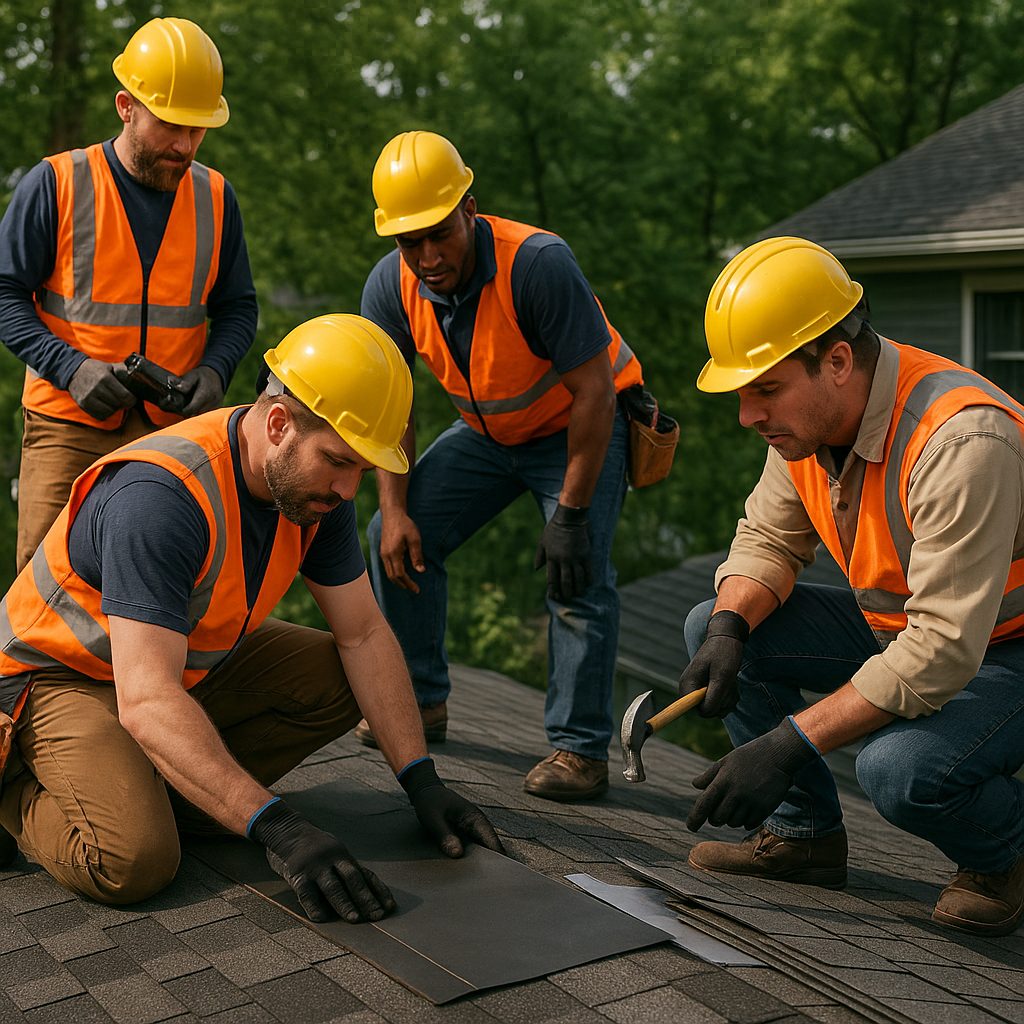
The professional advantage
When you hire a professional, you're buying several things beyond labor. First, they carry insurance that covers accidents and property damage—you don't. If someone falls off your roof during a DIY project, your homeowner's insurance doesn't cover it. Second, they carry warrants on materials and workmanship, typically 5–10 years. Your DIY work carries no warranty if something fails. Third, they know local permit requirements and building codes. Code violations can prevent you from selling your home and void insurance coverage if damage occurs.
The equipment difference matters too. Professional crews own proper ladders, harnesses, scaffolding, and safety equipment. They work efficiently because they've done the work hundreds of times. They spot hidden problems—rotted wood, undersized framing, existing code violations—before they compound into expensive failures. A professional inspection costs $200–400 and often prevents $5,000+ in surprises.
Your decision should hinge on three factors: Do you have the skill and experience? Can you do the work safely? And can you afford to fix it if it fails? If any answer is no, hiring a professional makes financial sense. The cheapest roof is not the one you build yourself for $3,000—it's the one that's built right the first time and lasts 25 years without problems.